Seafood Sustainability
30 April 2021

Seafood Sustainability: Significance of the MSC Blue Label
Seafood sustainability refers to the practice of managing marine resources in a manner that can ensure the availability of the valuable marine resources for future generations. Human activities leave a footprint on the environment. The challenge is to keep the impact of the activities to a minimum while also ensuring economic viability and food security.
What is the Marine Stewardship Council’s role?
What is the relevance for consumers of Sea Harvest Products?
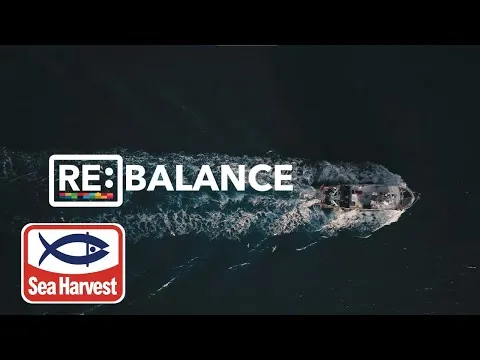
Part of the South African hake trawl fishery
The Group operates within the South African offshore hake fishery sector.
The South African hake trawl fishery was the first hake fishery globally to have gained MSC certification back in 2004. With certification held for over 15 years, including the recent recertification, the deep-sea trawl industry of the country has proven its commitment to sustainable fishing practices.
To qualify for certification the fishery activities and management practices must:
- Be handled in a manner that prevents over usage of the available resources, which can lead to a decline in available species.
- The fishing activities must not have a significant negative impact on the environment.
- The fishing practices must be responsibly managed.
Part of the Responsible Fishing Alliance
The Group is part of the Responsible Fishing Alliance (RFA). The aim of the RFA is to provide a forum for non-governmental organisations, responsible fishing companies and stakeholders to collaborate in protecting environmental resources through sustainable fishing management and practices. The Group, in line with the goals of the RFA, is also committed to sustainable practices. This is evident in various initiatives for responsible seafood management, protection of sea birds, and responsible activities to minimise the by-catch of endangered or at-risk species.
Examples of these activities include the use of devices to scare off birds in an effort to prevent them from becoming caught up in trawl lines and equipment. The RFA member efforts have been effective as proven by a decline of 90% in sea bird deaths because of scaring devices and positive changes in the by-catch management practices.
Seafood sustainability is at the heart of the RFA efforts. When consumers buy products from RFA members with MSC certification, they support seafood sustainability initiatives. Retailers and other partners in the supply chain also show their support for sustainable marine resources management by stocking products from fisheries that are MSC-certified.
Other initiatives
The Group has also been at the forefront of the demand for a moratorium on harmful practices, such as ocean-based phosphate mining in collaboration with the Safeguard our Seabed Coalition.
How is it relevant to your business and family?
Recent Articles
Mission Blue Campaign Aims to Make Ocean Sustainability More Accessible to Young South Africans
Did You Know…
Environmental Sustainability in Fishing Industry
Community Projects by Sea Harvest
Sea Harvest Foundation
SA Fishing Industry
Sea Harvest and Job Creation
Recent Articles
Mission Blue Campaign Aims to Make Ocean Sustainability More Accessible to Young South Africans
Did You Know…
Environmental Sustainability in Fishing Industry
Community Projects by Sea Harvest
Sea Harvest Foundation
SA Fishing Industry
Sea Harvest and Job Creation